"My Land Is Fenced, So It's Safe." Not Always.
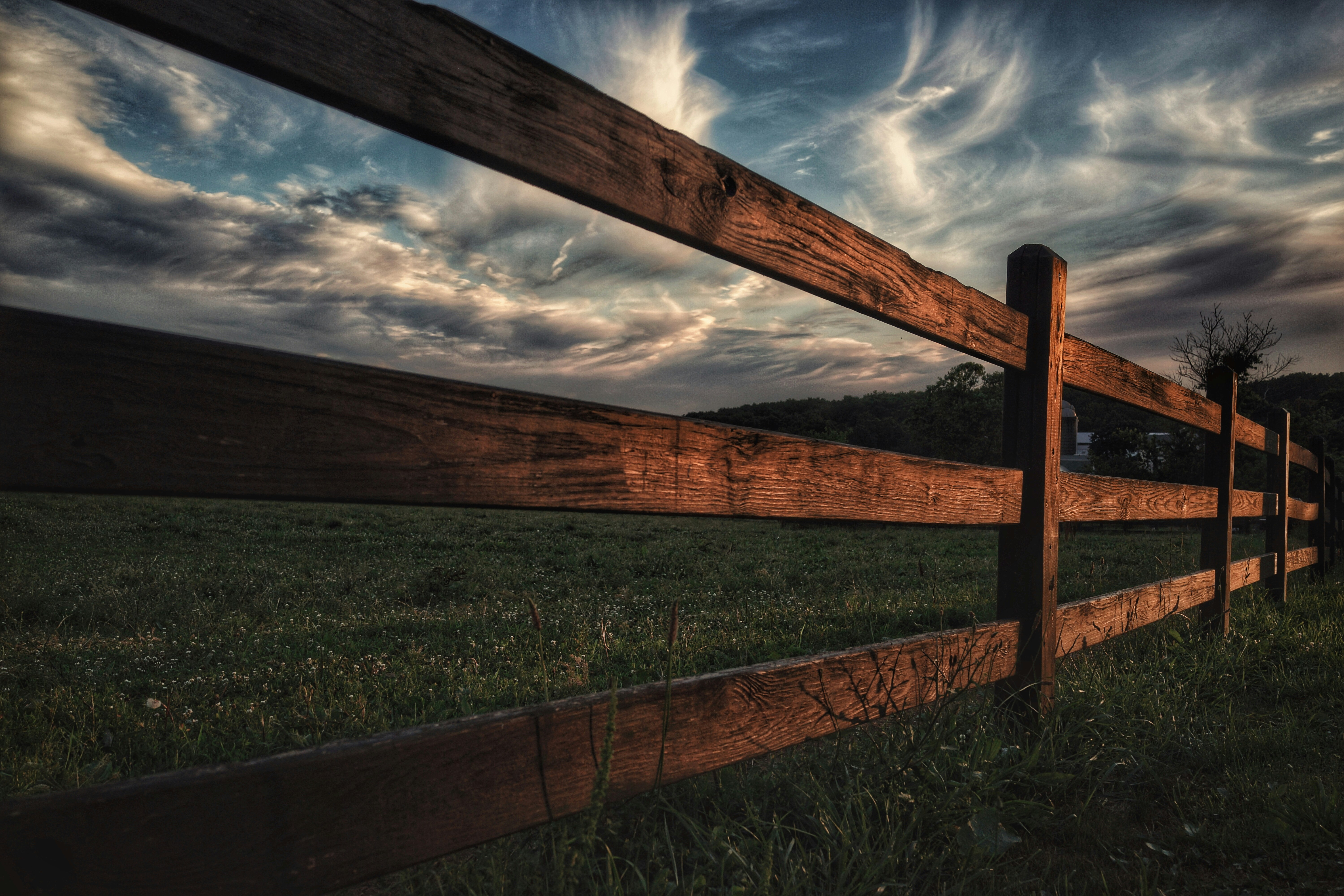
When someone buys a piece of land, one of the first recommendations they receive is almost always the same: "Build a fence as soon as possible." It's sensible advice. A fence clearly marks the boundary, discourages casual trespassing, and signals that the property is owned and maintained. For many landowners, completing the fencing also brings a sense of relief. The land is now protected—or at least that's how it feels.
The problem is that over time, many of us begin to treat a fence as though it is a complete security solution. In reality, a fence performs one very specific job exceptionally well: it defines the limits of your property. Everything beyond that still depends on how actively the land is monitored.
A useful way to think about it is to ask a simple question: What exactly are you trying to protect?
If the goal is to prevent someone from accidentally crossing into your property, a fence does exactly that. If the goal is to make the boundary visible, it succeeds again. But if the goal is to know what is happening on the land while you are away, the fence has no way of helping. It cannot tell you that someone has entered the property, that nearby development has started, or that the surrounding landscape has changed over the last few months.
This distinction becomes more important when the property is not part of your everyday life. Many people purchase land in another district because prices are lower. Others inherit agricultural land in their native village while living and working in a city. Some buy plots purely as long-term investments, assuming they will build something there years later. In each of these situations, the land may remain unattended for weeks or even months at a time.
That is where the economics of protecting land become interesting.
The first investment is usually the purchase itself. After that comes fencing, which, depending on the size of the plot and the type of construction, can cost anywhere from a few lakhs to significantly more. For many families, that is already a substantial additional expense. Naturally, once the fencing is complete, the expectation is that there should be little else to worry about.
But suppose you wanted to increase the level of protection.
Hiring a security guard is an obvious option, but for an individual landowner it is rarely practical. Paying a monthly salary year after year for a vacant plot quickly becomes difficult to justify. Installing CCTV cameras sounds like another reasonable idea until practical questions begin to appear. Does the property have electricity? Is there reliable internet connectivity? Who will maintain the equipment? Who will review the footage if the cameras record something unusual?
The remaining option is probably the oldest one of all—visit the property regularly.
For people whose land is only a few kilometres away, this works reasonably well. But many owners don't have that luxury. A single visit may involve driving for several hours, taking leave from work, paying for fuel and tolls, and setting aside an entire day simply to confirm that nothing has changed. Most people begin with good intentions, promising themselves that they'll visit every month or every quarter. Over time, however, work becomes busier, family responsibilities increase, and those visits gradually become less frequent.
Interestingly, the issue isn't that these approaches are ineffective. Each of them solves a genuine problem. The difficulty is that they all focus on protecting the land, while very few focus on understanding what is happening on it.
Those are not the same thing.
Imagine walking onto your property after a year. You notice that the fence is still standing, but a new road has been built nearby. Several neighbouring plots have been developed, and what was once open farmland is slowly becoming a residential layout. None of these changes happened overnight. They occurred gradually, one after another, while life kept you busy elsewhere.
The value of monitoring isn't simply that it tells you when something has gone wrong. Sometimes the most useful information is discovering that the area around your property is changing in ways you hadn't noticed. New infrastructure, commercial development, expanding villages, or even changes in vegetation can influence future decisions about the land. Should you continue holding it? Should you visit more often? Has the value of the surrounding area improved? These are questions that only become visible when you stop thinking about land as a fixed asset and start seeing it as something that changes over time.
This is where satellite monitoring fits into the picture—not as a replacement for fencing, but as a different category of protection altogether.
A fence defines a boundary. Satellite imagery builds a timeline. By comparing images captured over months and years, it becomes possible to understand how a property and its surroundings are evolving without physically standing on the land every week. That doesn't eliminate the need for site visits, nor does it replace common-sense measures like fencing or good relationships with neighbours. Instead, it helps owners decide when those visits are actually necessary.
Perhaps that's the biggest misconception about protecting vacant land. We often think of security as something we purchase once—a fence, a wall, a gate—and then forget about it. In reality, protecting land is less about a single investment and more about maintaining awareness. The land doesn't stop changing simply because the paperwork is complete or the boundary has been fenced.
At WatchMyPlots, we've come to see satellite monitoring as another layer of that awareness. It's not meant to compete with traditional methods of protecting land, but to complement them. A fence helps establish your boundary. Regular visits help you inspect it. Trusted neighbours provide local knowledge. Satellite monitoring adds something none of those methods can easily provide on their own—a continuous visual history of how your land is changing over time.
Owning land is a long-term commitment. Keeping track of it should be one too.