
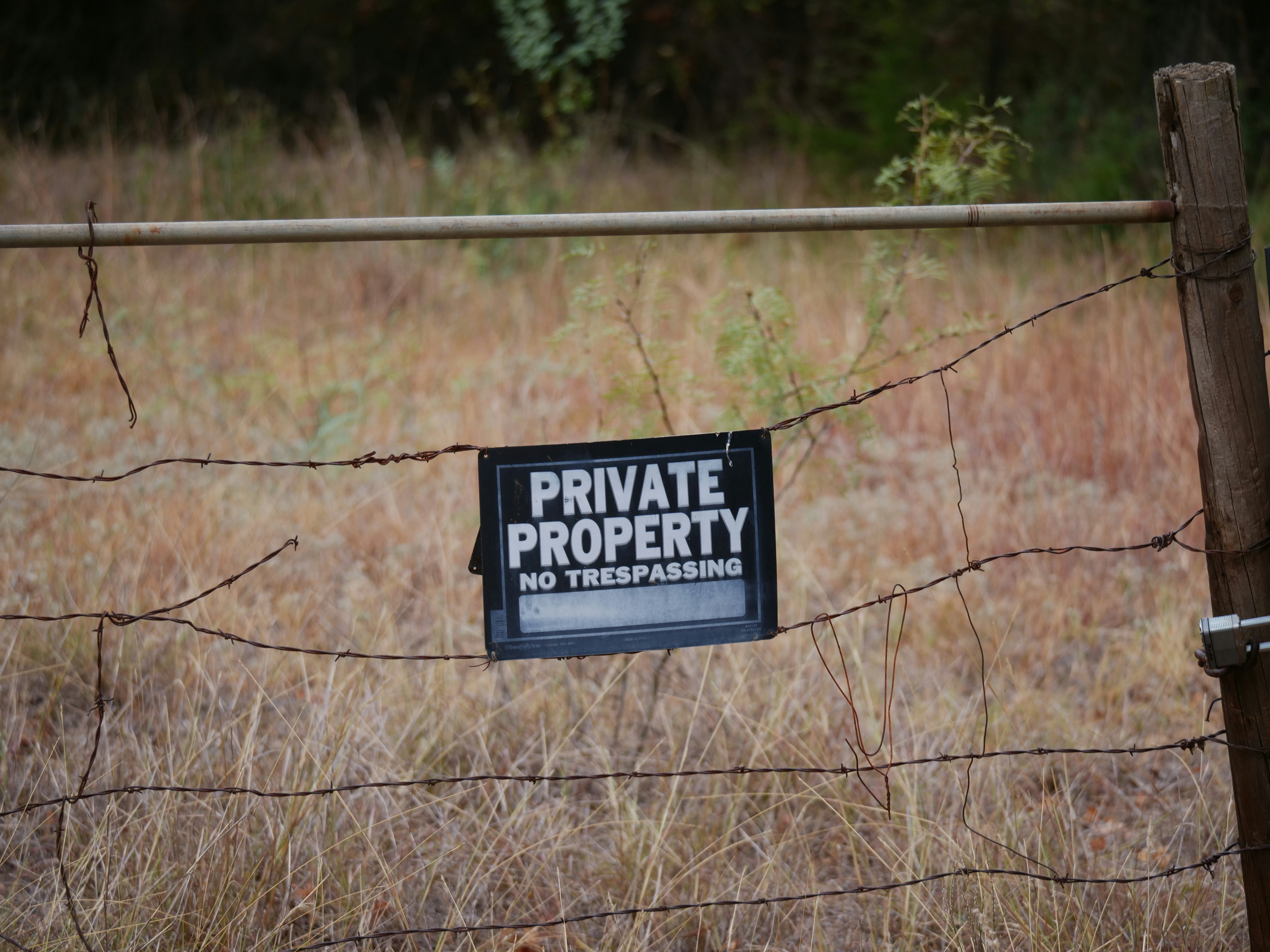
The Hidden Cost of Owning Land in India While Living Abroad
The biggest expense isn't maintenance or taxes. It's the cost of not knowing what's happening on your own property.
The Dream
For many Indians living abroad, buying land back home was never really a financial decision. It was an emotional one.
Maybe it's meant to be a retirement home someday. Maybe it's a plot set aside for the kids, something tangible to pass down. Maybe it's just a way of staying rooted to a place that still feels like home, even after years — or decades — away.
Whatever the reason, buying the land is usually the easy part. Paperwork gets signed, registration gets done, and the property becomes a small, quiet source of pride.
Owning it from another country is where the real challenge begins.
The Hidden Cost Nobody Calculates
Ask any NRI landowner what they spent on their property, and they'll rattle off a familiar list: registration fees, stamp duty, annual property tax, brokerage, maybe legal verification charges.
What almost nobody accounts for is the cost of not knowing.
Not knowing whether the boundary markers are still where they should be. Not knowing whether the plot next door just sold to a builder. Not knowing whether a new road is about to double the land's value — or whether someone has quietly encroached on a corner of it. That uncertainty is a cost too. It just doesn't show up on any receipt.
Distance Changes Everything
If you live in Pune, checking on your plot is a two-hour drive. An inconvenience, maybe, but a manageable one.
If you live in Dubai, London, Toronto, or Sydney, it's a different story entirely. You need leave from work. You need to book international flights. You need to plan a trip that often stretches into a week just to make the visit worthwhile.
For someone based in the US, a single check-in visit can easily cost a lakh or two once flights, time off, and logistics are factored in. At that point, "just going to check on the land" stops being a casual weekend errand and starts being a full-blown event — something you plan for, save for, and put off until it feels urgent enough to justify.
Naturally, that means these visits happen less and less often.
Life Gets in the Way
Here's the part most people don't like to admit: nobody sets out to neglect their land. It's never a conscious decision.
It's just that life abroad keeps moving. There's a job to manage, children to raise, school admissions, a mortgage on the house you're actually living in, aging parents to look after, health concerns of your own. Every one of these is a legitimate priority — and every one of them quietly pushes "check on the plot back home" further down the list.
Before you know it, three years have gone by. Then five. Then ten.
Meanwhile, the Land Doesn't Wait
While life carries on abroad, the area around that plot keeps changing — with or without you watching.
New roads get laid. Developers start buying up neighboring parcels. Trees that once marked a boundary disappear. Construction begins somewhere nearby. What used to be an empty stretch slowly turns into a growing neighborhood.
Some of this is good news. Some of it isn't. But the common thread is that most owners find out about all of it at once — usually during a single visit, years after the changes actually began.
The Biggest Risk Isn't Encroachment
Most conversations about NRI land ownership start and end with one fear: encroachment. Someone might grab a piece of your land while you're not looking.
That's a real risk, but it's not the only one — and arguably not even the most important one.
Consider what else can happen quietly, without anyone stealing anything: a new highway alignment passing near the plot, an industrial corridor being planned nearby, a metro line extension, a zoning change that suddenly makes agricultural land eligible for commercial use, a proposed airport, a new township coming up a few kilometers away.
Owners routinely discover these developments years after the fact — long after the ideal window to act on them has passed. Staying informed isn't only about catching problems early. It's just as much about catching opportunities early. An article that only talks about "protecting" your land misses half the picture.
One Visit vs. Continuous Awareness
The difference really comes down to two very different ways of relating to a property you can't see every day.
| Traditional Ownership | Modern Ownership |
|---|---|
| Visit every few years | Stay informed regularly |
| Hope nothing changed | Know when something changes |
| Discover everything at once | Understand changes as they happen |
The first approach relies on hope. The second relies on information.
Monitoring Doesn't Replace Visiting — It Makes Visits Smarter
To be clear: no amount of satellite imagery replaces actually walking your land. There's no substitute for standing on the plot, talking to neighbors, checking boundary stones in person.
But monitoring changes the question you're asking. Instead of wondering, "Should I bother visiting this year?" — a question with no good way to answer it from thousands of miles away — you start asking, "Has anything happened that makes a visit worth planning for?"
That's a fundamentally different way to manage a property. One is guesswork. The other is informed decision-making.
A Timeline, Not Just an Alert
This is really the heart of it. The value isn't just in being pinged when something changes — it's in building a record over time.
Every image, every check-in, becomes another chapter in the story of that specific piece of land. After a few years, you're not just looking at what the plot looks like today. You can see how it got there — what changed, when, and how gradually or suddenly it happened.
That's something no vacation photo, taken once every few years on a rushed trip home, could ever capture.
Why WatchMyPlots Exists
WatchMyPlots wasn't built on the assumption that people forget about their land. It was built on a simpler, more honest observation: distance makes regular, hands-on observation nearly impossible, no matter how much someone cares.
Whether you're in Dubai, London, Toronto, or Sydney, the plot you bought shouldn't fade out of your life just because you moved away from it. Technology can't replace being there in person. But it can make sure that when you finally do visit, you're not walking into a decade of surprises all at once.
Owning land from another country isn't hard because of the distance itself. It's hard because distance slowly, quietly takes away your awareness of what's happening on ground you still legally own.
That's the real problem worth solving — not just protecting a plot, but staying connected to it.